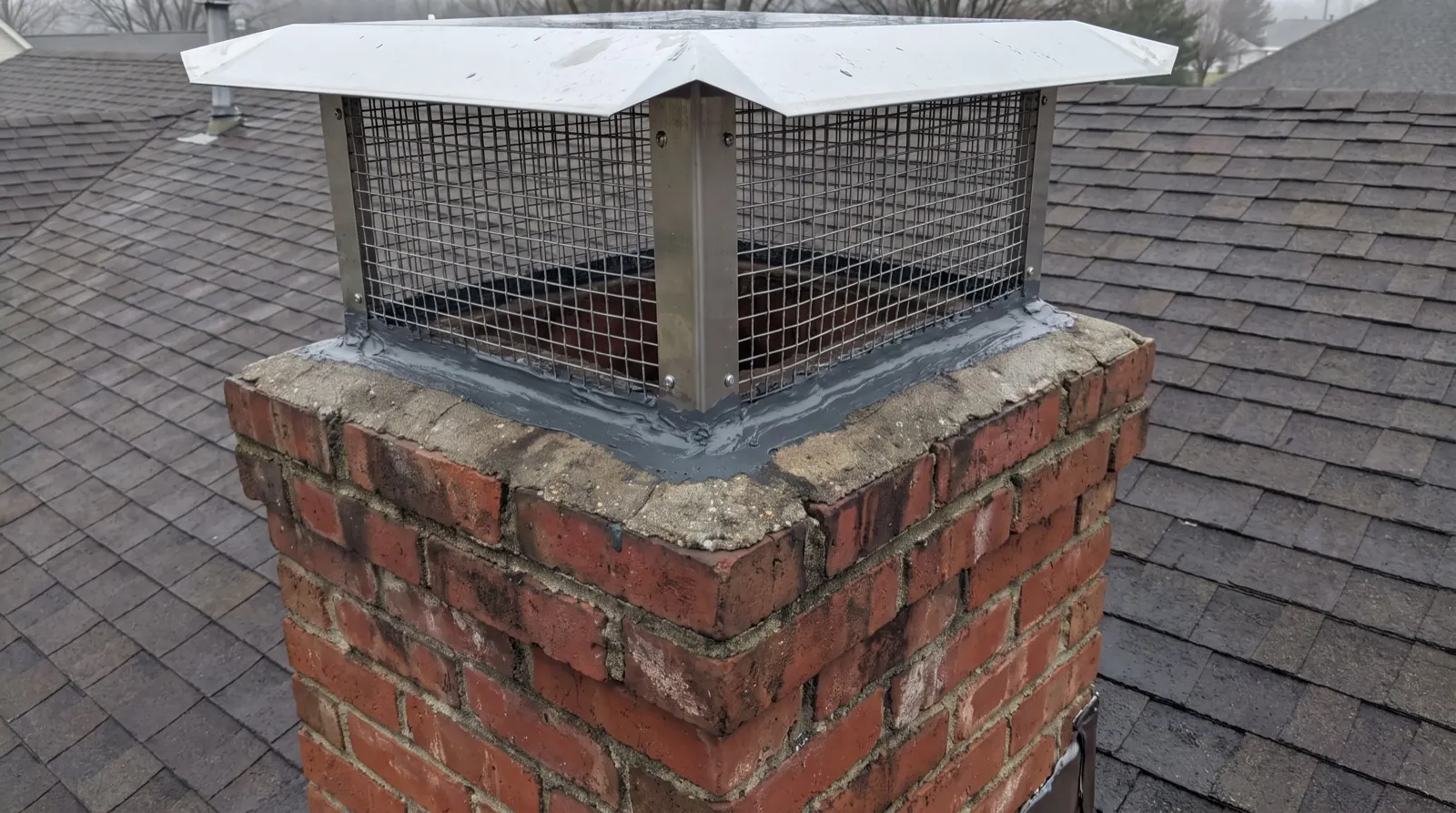
The pages nobody sees: one client, just over twelve months of search data
The Pages Were Already Built. They Just Rank Below Position 22.
A wildlife exclusion page. A mole page. A possum page. All built, all live, and all sitting where nobody scrolls. Here's what that looks like in clicks.
Get This Report for Your SiteSee What It Costs
Rather write it out? Send a note
What We Measured, and on Whom

We pulled just over twelve months of Google Search Console data for seven pest control company websites, all of them Cube clients. We audit our own book in public. All seven are pest control companies with a wildlife division, and one of them has a separate page for every animal it removes. Sept. 13, 2025 through Sept. 16, 2026. Just under three million rows of query data. Each row is one search, one page and one day on which Google showed one of these sites. All seven have the whole year. Sites that became clients partway through it are left out, so no site counts for part of a year.
This page is about one of those seven. We're keeping the name off it. It's a general pest control company, not a wildlife specialist, and that distinction is the whole reason the numbers look the way they do.
The Number
In just over twelve months the site collected 635,399 impressions across everything it does. Of those, 85,767 were animal control searches that name a service or a problem. Not searches for possum facts. Searches that read like a hire.
That's 13.5% of everything the site was shown for.
Those 85,767 impressions produced 50 clicks.
A click-through rate of 0.06%. That's website clicks only. Calls straight from the map listing don't show up in Search Console, so this is the floor, not the total.
We checked that against the rest of the site before putting it on a page. Strip out the brand searches, people typing the company's own name, and everything else on this site gets clicked at 0.11%. So the animal work runs at about half the site's own non-brand rate. Still low. We would rather give you the number that survives the obvious objection.
Here Is the Part That Surprised Us
We expected to find a company with no wildlife pages. That's the usual story, and it's the easy one to sell against.
This company has the pages. Rodent, mole, possum, even wildlife exclusion.
Every page below averages worse than position 22.
| Page | Average position | Clicks | Times shown |
|---|---|---|---|
| Rodent control near me | 22.3 | 1 | 18,720 |
| Rats and mice | 30.5 | 2 | 16,161 |
| Mole control | 39.9 | 20 | 12,232 |
| Mole control services near me | 31.1 | 8 | 8,391 |
| Possum control near me | 28.5 | 0 | 4,614 |
| Possum control | 25.9 | 0 | 3,361 |
| Wildlife exclusion services | 36.4 | 0 | 2,269 |
A wildlife exclusion page. A possum page. A mole page, twice. The pages exist.
An average position of 36.4 puts the wildlife exclusion page past the third page of ordinary results, and the ads and map listing above them push it lower still. Mole control, at 39.9, is there too. Almost nobody scrolls that far, so the page might as well not exist. It gets counted, it gets measured, and it never gets seen.
Building the page isn't the gap. Ranking it is. That's an uncomfortable finding for anyone who just paid somebody to build service pages, and it's the most useful thing on this page.
Where the Demand Actually Sits
Broken out by animal, over the same stretch:
Every animal below averages worse than position 20.
| Animal | Average position | Clicks | Times shown |
|---|---|---|---|
| Rodent, general | 24.0 | 4 | 38,163 |
| Mole | 35.3 | 37 | 21,445 |
| Opossum | 30.0 | 0 | 8,707 |
| Mouse | 20.2 | 2 | 7,556 |
| Rat | 28.8 | 0 | 4,085 |
| Wildlife, general | 38.2 | 4 | 3,893 |
| Raccoon | 35.3 | 0 | 1,415 |
Mole is the one that should stop you. 21,445 times shown over the same stretch, on a general pest company, for a service most pest companies treat as an afterthought. It's the second largest animal category on the entire site and it outruns rat and raccoon combined.
Two Rodent Searches Rank. Two Do Not.
Two rows in the query data do something the rest do not.
"Rodent control [town]" averages position 7.7 across 1,682 impressions. Plain "rodent control" sits at 7.9. Compare them to "rodent pest removal" at 45.8 and "mice pest removal" at 75.5.
The two that rank are plain "rodent control" searches, with or without a town. The two that don't are "pest removal" searches. Four rows are too few to call that a rule.
We looked at which page earns that position, because the answer isn't what we expected. It's not a rodent page. It's the company's city page for that town, which averages 3.8 on that query, and the homepage behind it. A page that never mentions rodents in its address is outranking the pages built for rodents by about twelve places on that search, most likely because it names the town.
There's a second finding stacked on the first, and it's less comfortable. Those 1,682 impressions at position 7.7 produced zero clicks. Ranking is necessary here and it wasn't sufficient. There are two readings, and we haven't proved either. One is the map listing: the searcher taps Call or Directions and never reaches the site. Search Console counts a click that leaves Google for your site, like the listing's Website button, but a tap on Call or Directions never opens the site, so it doesn't show up. The other is automated: rank trackers check town searches like this one from many points on a map, and each check can log an impression with no person behind it. Sterling Sky documents that pattern, and it fits a town search with 1,682 impressions and no clicks.
What This Means for Your Site
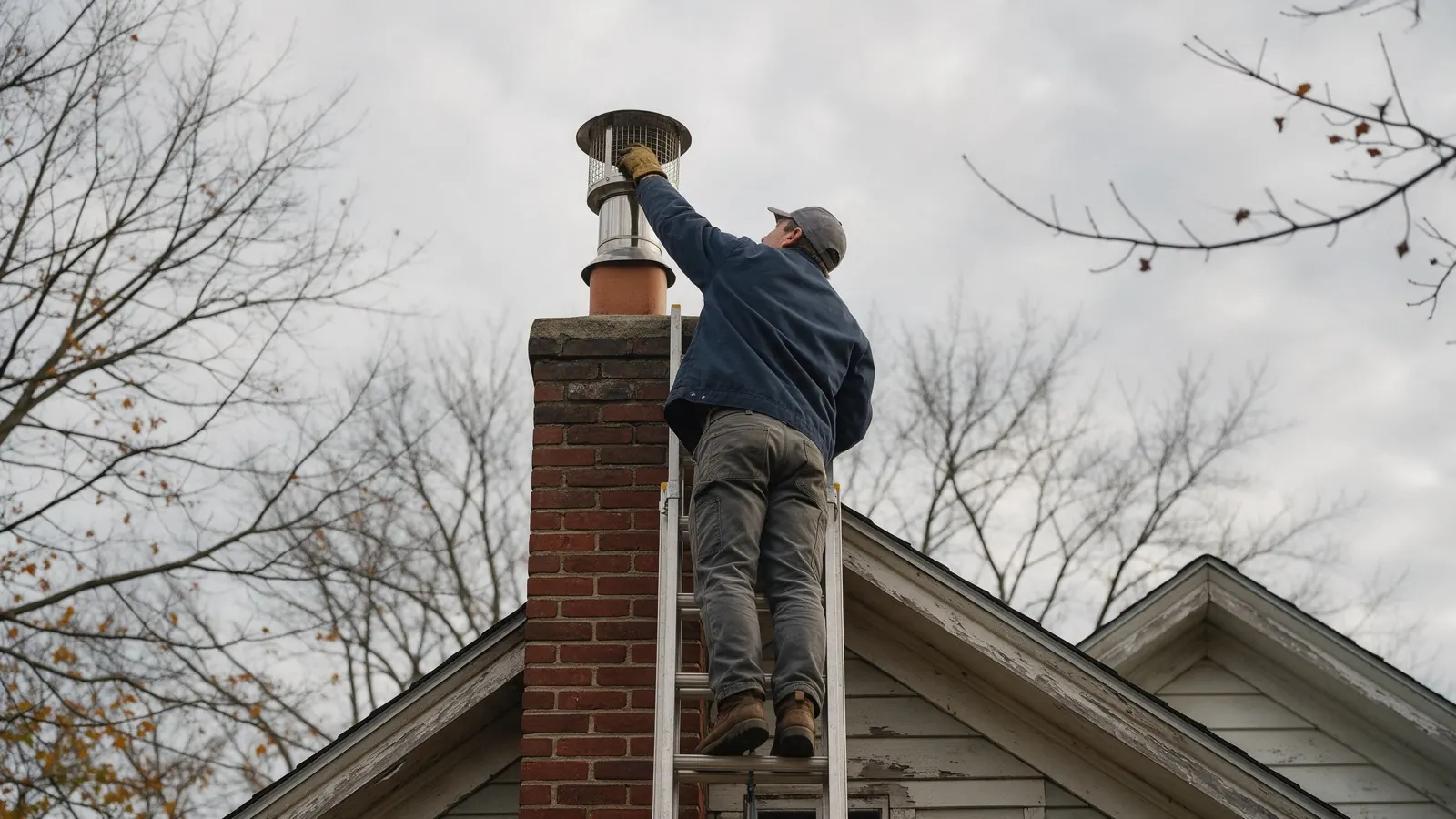
Three things, and none of them needs a new website.
Check where your service pages rank, not whether they exist. Open Search Console, filter to a page, and read the average position. If it's past 20, open its queries. An average that low usually means it wins almost nothing. A page at position 40 and a page that doesn't exist produce the same number of calls.
Count the animals you get searched for, then count your pages. This site gets found for nine animal categories with more than a handful of impressions, seven of them in the table above, and none of its animal pages with more than a few dozen times shown averages better than position 22. The gap between those numbers is the work.
Look at your local terms before your national ones. The animal searches that rank best on this site are "rodent control" and "rodent control" plus a town. Start with the searches that name your towns, and your city pages may already be doing that work without an animal page behind them.
What This Does Not Prove
We're not going to oversell one site.
Times shown isn't people. It counts how often a page appeared, and some of it is automated. It isn't a count of customers, and we don't report it as one. Here it only tells you where a site sits.
We start the window at Sept. 13, 2025 on purpose. Before Sept. 12, 2025, rank-tracking tools most likely added impressions at deep positions to many sites' Search Console data. Google turned off the setting they relied on that week, and earlier data would make every page here look buried deeper than it is.
This is one company. Seven sites is a small sample and one of them isn't a statistical argument about your market.
There's no revenue figure on this page because we don't have one. We know how many times the site was shown and how many clicks it got. What happened after the click isn't in this data, and a dollar number here would be a guess dressed up as a finding.
Search Console keeps its rarest searches out of the report, so the counts above are conservative. We won't put a number on how much is missing, because the share changes from site to site. Clicks are thinner at this level of detail. Every count here is a floor.
If you want your own site read the same way before you spend anything on it, book a call or send a note and we'll pull your numbers and walk them with you.
Book a CallFAQ
These Are Your Clients. Why Do Their Animal Pages Rank This Low?
Because every one of them is a pest control company first, with a wildlife division beside it. Their sites were built to sell pest work, and the animal pages went in around that, not at the center. They're our clients, so the ranking is ours to answer for. That's the gap these pages measure, and closing it on these sites is on our list now.
Why Does This Page Use One Whole Year?
Because what drives a wildlife call shifts through the year, and a few months would measure the season, not the site. Every table puts this site's own pages side by side inside the same stretch, Sept. 13, 2025 through Sept. 16, 2026, just over twelve months, so every season is in it. Only sites with that whole year are in the set. It starts in September because rank-tracking tools inflated Google's impression counts before that.
Is 'Times Shown' the Same as People Searching?
No. Google counts a time shown whenever the page appears in a result, and some of those searches are automated. It's a measure of where the page sits, not a head count.
Is This Site a Cube Client?
Yes. We audit our own book in public, and this page is one of ours.